
Why Did Hate and Divisiveness Start?
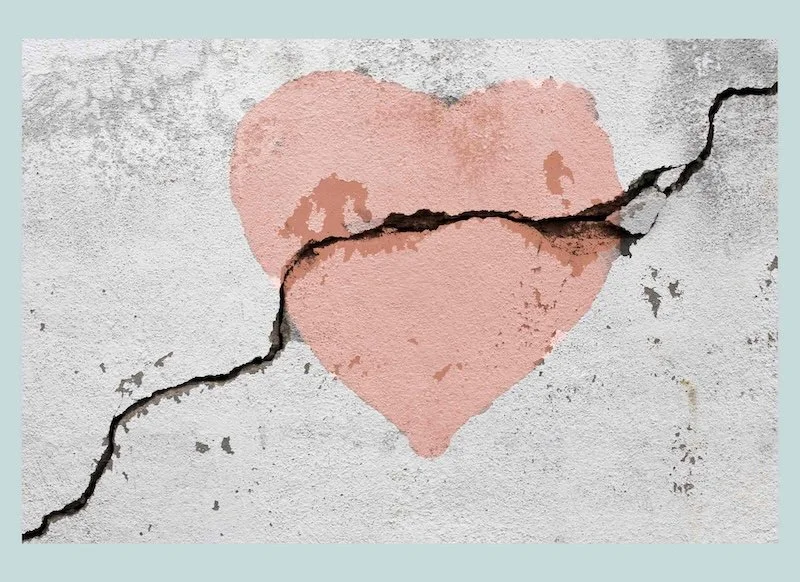
Well, let’s face it. Hatred of others has always existed. This is the human condition.
The question of why hatred and divisiveness take root and flourish is not merely academic; it is a profound inquiry into the darkest corners of the human psyche. The uncomfortable and enduring truth is that the seeds of animosity have always been deeply embedded within the human condition. For millennia, from the primal tribal skirmishes in prehistory to the sophisticated, complex ideological conflicts that define our modern era, the impulse to delineate "us" from "them" is a tragic, persistent, and intrinsic part of our collective narrative. It’s a hierarchy: one group has to always be on top, which simply means another group has to be at the bottom, ultimately targeted as subhuman.
While the propensity for hatred is an ancient cancer, its current manifestation is characterized by a frightening new velocity, scale, and reach. The decisive shift occurred with the advent of the internet and, more significantly, the ubiquity of social media. These platforms, initially hailed as revolutionary tools for global connectivity, understanding, and the democratization of information, have inadvertently morphed into the most powerful and effective delivery systems for discord the world has ever known.
Today, the roots of division are not just growing; they are proliferating with alarming speed, weaving a dense, nearly impenetrable web around global public discourse. This digital ecosystem creates what is known as the echo chamber or the filter bubble, a self-reinforcing, customized prison where individuals are systematically exposed only to voices, narratives, and information that confirm their existing worldviews, biases, and prejudices. We have become, in effect, unwitting victims of a powerful, commercially-driven tool that ruthlessly exploits our fundamental psychological tendencies toward confirmation bias and the deep-seated human need for group identity and belonging.
The very architecture of these platforms, optimized not for truth or harmony, but for engagement, sensationalism, and rapid sharing, rewards and aggressively amplifies the most extreme, emotionally charged, and inherently divisive content. The perverse effect is that thoughtful, moderate, and nuanced voices are drowned out, leaving the most radical and inflammatory messages to dominate the public square. Algorithms create a feedback loop that ensures the product's effectiveness, which in turn encourages more brands and companies to pay to participate.
Historically, human hatred manifested primarily as localized, often bloody, conflict and violence. What is profoundly new, alarming, and fundamentally destabilizing in modern nations, particularly in established democracies like the United States, is that this digitally amplified division is actively threatening to dismantle core democratic institutions, norms, and the rule of law.
The individuals and groups who leverage their voices to systematically sow division and chaos are rarely driven by authentic principle or genuine conviction. Their actions are motivated by a calculated and cold pursuit of greed, power, and celebrity. This cabal of agitators, political influencers, and bad-faith actors constitutes a numerically small group. Yet, by expertly exploiting the psychological mechanisms of social media and the documented vulnerabilities of the masses, especially the vulnerability to fear and moral outrage, their destructive message has the ability to reach and rapidly radicalize vast populations. They represent a clear, present, and existential danger to the stability and unity of society.
As they sit back and observe the chaos they have instigated, their personal profiles are elevated to celebrity status, and they pocket enormous, often undisclosed, sums of money, a direct, transactional profit extracted from the fracturing of our communities. Furthermore, this entire ecosystem of division is often controlled by a handful of enormously powerful billionaires and corporations. The division is not a side effect of their ambition; it is a tool of their power. As they stoke the fire, guiding their audience, people who have lost their souls and lost any happiness in their lives, to view other people who have a platform with differing views as their enemy, they cast aside their decency when assaulting fellow Americans with threats, both verbal and physical. They teach this to their children. Some copy this behavior as others grow into adulthood and sadly separate themselves from their own caregivers. And in this way, the haters lose even more. A family is torn apart, ironically in a small way similar to the many immigrant families of today. These personalities play to win at the sacrifice of humans. When it comes to greed and power, everyone is fair game.
A Call for Moral Leadership: Corporate Complicity and the Path Forward
To effectively break this destructive cycle, to reach a point where the "fever breaks" and polarization recedes, requires a unified, powerful, and ethical response from those who hold institutional power and societal influence. Now is the time for action from corporate leaders across all industries, particularly those who control the digital platforms and the flow of capital.
Their continued silence on this matter is no longer a neutral stance; it is, in effect, tacit complicity. By allowing their platforms to be polluted and their advertising dollars to fund the engines of division, they are sustaining the very forces that threaten the stability of the global environment in which they operate.
If corporate leaders are genuinely concerned about the long-term survival, stability, and profitability of their own businesses, markets, and social license to operate, they must lift their gaze beyond the immediacy of quarterly earnings reports and consider the foundational health of society as a whole. They must use their considerable financial, political, and communicative power to actively resist and defund the engines of division, rather than allowing their resources, platforms, and brand reputations to be co-opted by those who openly profit from the destruction of democratic principles and the perpetuation of hate. Among this group are journalists who are being restricted from reporting the news in a robust and effective way. Stories are steered toward ideology instead. In effect, they are being silenced. News media such as Fox News and Sinclair create headlines and stories that are not altogether true. The people consuming these stories have begun to live in an alternate reality. The outcome has become dangerous. Can it get worse? The answer is yes.
To help facilitate this, political candidates should follow the lead of certain members of Congress by taking a stand and refusing corporate PAC contributions.
The United States has long been a melting pot, and its diversity of groups and races is currently at an all-time high. The people are rising up and will continue to demand change. While we should not have to risk our lives, we have reached a point where we have no other choice but to act. As Americans, we deeply value our neighbors, our families, and the freedom and rights of all citizens. The people are prepared to do what is necessary to save this country.
By Karen Mehiel